Education suppliers are focusing on the expanding Childcare sector – here is why
Australia’s early childhood education and care (ECEC) sector has evolved into one of the country’s most resilient and strategically important service industries. Once fragmented and undercapitalised, childcare is now recognised as essential economic infrastructure — supporting workforce participation, productivity, child development, and long-term social outcomes.
In 2025–26, the sector is valued at approximately $24 billion, employs 200,000+ people, and supports around 1.4 million children nationwide.
For suppliers, service providers and professional firms, this scale — combined with strong government funding and policy support — creates a significant and sustained growth opportunity.
A Sector Experiencing Sustained Structural Growth
- $24 billion – current industry value, having grown at 7.4% annually over the past five years
- 3.23% CAGR – projected growth through to 2034
- 17% more children – expected enrolment increase in 2026
- Over 9,000 centres – up from 6,268 in 2021, with 11,471 childcare businesses operating nationally
- 665,345 licensed places – across 8,917 long day care centres

Policy Reforms Driving Increased Enrolments
The most significant policy development of 2026 came into effect on 5 January: the 3 Day Guarantee. This landmark reform guarantees all eligible families at least 72 hours of subsidised care per fortnight — equivalent to three days per week — regardless of parental work or study activity.
Total annual government childcare expenditure now stands at approximately $14.5 billion, with projections indicating this will reach $15–16 billion by FY27 — a 42% increase.
Building new supply: The government’s $1 billion Building Early Education Fund will construct approximately 160 new centres in underserved areas. Each facility requires complete fit-out — playground equipment, technology systems, outdoor surfaces, furnishings, and more.
Workforce Expansion Creating Demand
The sector’s workforce shortage is being addressed through a $3.6 billion Worker Retention Payment, funding a 15% wage increase for educators — the most significant uplift to ECEC wages in recent memory.
Results so far:
- 15,100 additional educators (6% increase) in the past year
- 14% drop in vacancy rates
- Major provider Goodstart reported a 5% reduction in the use of casuals, and 70% reduction in labour hire
For suppliers, this translates directly into increased demand for:
- Recruitment and HR services
- Training and professional development
- Uniforms, equipment and workplace systems
Competition Driving Investment
Heightened regulatory scrutiny and stronger parental expectations are reshaping competition within the sector. Centres increasingly differentiate on quality, safety and educational outcomes, rather than price alone.
Centres with dated playground equipment, ageing technology, or unprofessional presentation are losing enrolments to competitors who have invested in their facilities. Enhanced regulatory requirements following the Review of Child Safety Arrangements (December 2023) are also driving compliance-related investment in systems, training, and documentation.
This competitive dynamic is motivating investment across the sector, creating opportunities for:
- Facility upgrades and outdoor play environments
- Educational resources and digital platforms
- Branding, communication and enrolment support
- Suppliers of equipment and furnishings
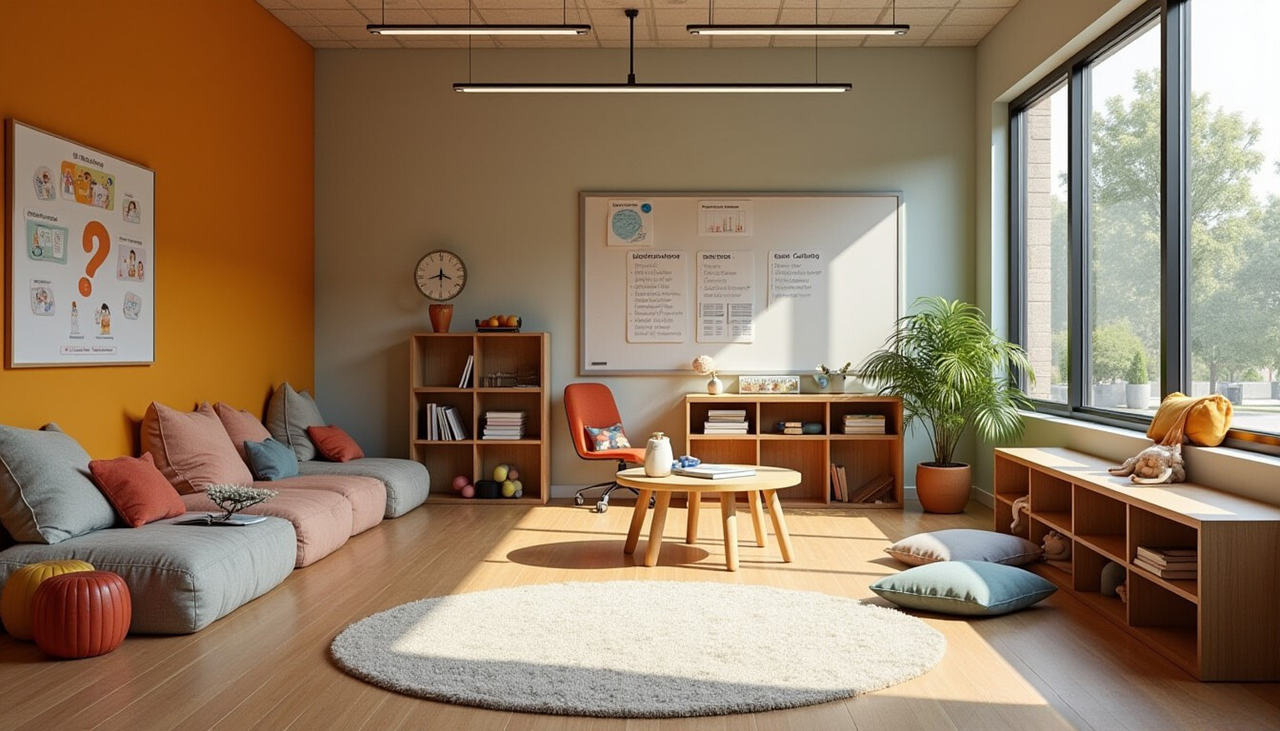
What Products and Services Do Centres Purchase?
Childcare centres are operationally complex businesses with diverse procurement needs including, but not limited to:
Equipment and Supplies
- Playground equipment and outdoor play structures
- Turf, landscaping, and outdoor surfacing
- Furniture, mats, and educational resources
Technology
- Computers and tablets for administration
- Parent communication and centre management software
- Security and monitoring systems
Staffing and Professional Development
- Recruitment services for educators and support staff
- Professional development programs and conferences
- Compliance training including first aid certification
Uniforms and Apparel
- Staff uniforms and workwear
- Children’s hats, smocks, and sun-safe clothing
Health and Wellbeing Services
- Health education and awareness programs
- Dental and vision screening services
- Nutrition and inclusion support programs
Key Trends Creating Opportunities
Technology adoption
AI-powered platforms are streamlining administration and enhancing parent communication, with real-time activity tracking launched by several providers in September 2025. Predictive analytics is helping centres optimise staffing and occupancy.
Sustainability
New centres increasingly incorporate solar energy, sustainable materials, nature-focused play areas and environmental education. In Melbourne, 60% of newly built centres in 2024 featured sustainable design elements — a selling point for eco-conscious families.
Specialisation
Demand is growing for differentiated programs including:
- Languages other than English (LOTE)
- STEM education
- Creative arts and music
- Nature-based and outdoor learning
- Programs for children with diverse developmental needs
Regional focus
The “childcare deserts” in regional Australia are receiving policy attention, with operators showing renewed interest in regional towns where demand often exceeds supply.
Investment Activity Remains Strong
Childcare has established itself as a resilient commercial asset class, transitioning from niche alternative investment to a core category alongside office, retail and industrial property.
The participation of operators, private investors, syndicates and international capital demonstrates the childcare sector’s strong and diversified investment demand.
The 2025 Federal Budget materially strengthens the childcare investment outlook:
- $5 billion committed to universal early childhood education, supporting long-term demand and revenue certainty
- The 3 Day Guarantee expands subsidised care to 100,000 additional families in NSW alone, improving occupancy stability
- $1 billion allocated to new centre development and $3.6 billion to educator wage increases, addressing supply and workforce constraints
Collectively, these measures reinforce childcare’s position as a defensive, government-backed investment asset providing stability through economic cycles.
The Challenge: Reaching Decision-Makers
Despite its size, the childcare sector remains highly fragmented:
- Nearly 80% of operators run a single centre
- Decision-making is decentralised and time-constrained
- There is no centralised procurement model
For suppliers, broad-based marketing is often inefficient. Success depends on reaching the right decision-makers at the right centres with relevant messaging.
In this environment, access to accurate, current and well-segmented data becomes a critical competitive advantage.
How A-ZGovBIZ Supports Smarter Market Access
A-ZGovBIZ is Australia’s specialist provider of Education, Health and Government marketing lists, with over 20 years’ experience connecting organisations with decision-makers.
The A-ZGovBIZ Childcare/Early Learning list provides comprehensive coverage of childcare centres and early learning facility managers Australia-wide, focusing on facility-based childcare rather than home-based family day care.
Who benefits from A-ZGovBIZ data?
A range of suppliers and service providers are successfully engaging the childcare market through targeted outreach using A-ZGovBIZ data, including:
- Health information services delivering childhood health and awareness programs
- Conference organisers attracting early childhood professionals to industry events
- Technology providers supplying computers, software, and digital solutions
- Playground equipment suppliers helping centres enhance outdoor learning environments
- Turf and landscaping companies creating safe, high-quality outdoor spaces
These businesses recognise that in a fragmented market, efficient access to accurate and current data provides a significant competitive advantage.
Ready to Connect with Australia’s Growing Childcare Sector?
Visit www.azgovbiz.com.au or contact our team on sales@azgovbiz.com.au to discuss how our marketing lists can support your business development objectives.
Australia’s childcare sector is expanding. Ensure your business is positioned to grow with it.
Sources: IMARC Group, IBISWorld, Australian Government Department of Education, Services Australia, Productivity Commission, Australian Bureau of Statistics, Fair Work Commission, CBRE, QikMaps, The Sector
